INDUSTRIAL LABELS

Industrial Label Solutions for Demanding Conditions

Industrial labels require resistance to variables such as high temperature, moisture, abrasion, chemical contact and outdoor exposure. The appropriate combination of material and adhesive must be verified through technical data and application tests.

Highlights in This Category

  • Material assessment for temperature, moisture and chemical contact
  • Protective surface options against abrasion
  • Durability selected for outdoor and sunlight exposure
  • Technical suitability verified against the application conditions
Producing labels since 1985

An industrial label is a label that has to do its job in daily use without deteriorating. The selection process is therefore not just a design decision but a technical evaluation: the temperature range the label will face, the substances it will come into contact with and how much friction it will be exposed to must be defined from the outset.

Temperature is the variable that most affects material and adhesive behaviour. At high temperatures, some adhesives soften and can slide, while at low temperatures holding strength can drop. For this reason, the temperature at the moment of application and the temperature during use must be evaluated separately.

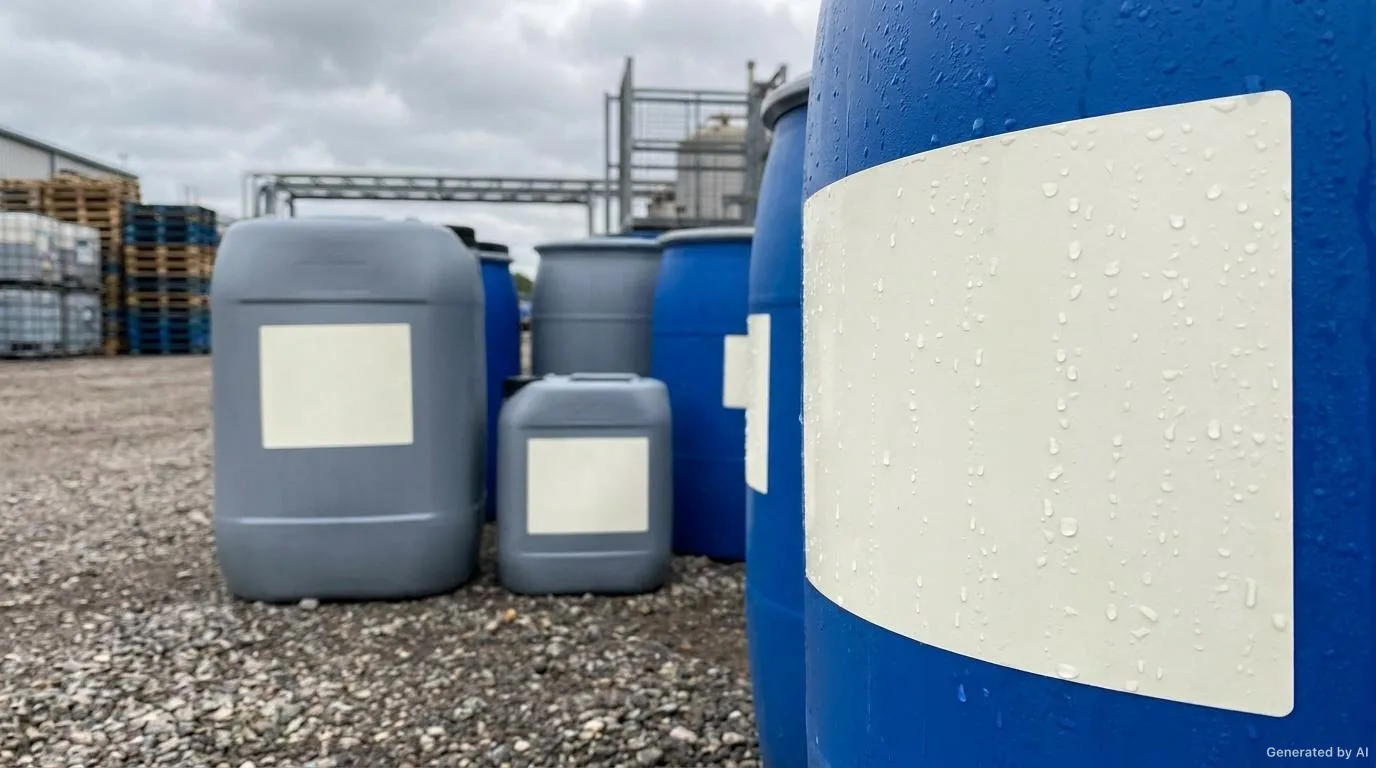
Moisture, steam and chemical contact affect both the surface and the print of the label. Wash areas, cold rooms and process lines are risky in this respect. For labels to be used outdoors, the effects of sunlight, rain and dust over time must be planned for.

Surface compatibility is critically important: painted metal, stainless steel, rough plastic and dusty surfaces do not give the same result with the same adhesive. The suitability of the label must be verified not only through product information but through technical data and application tests.

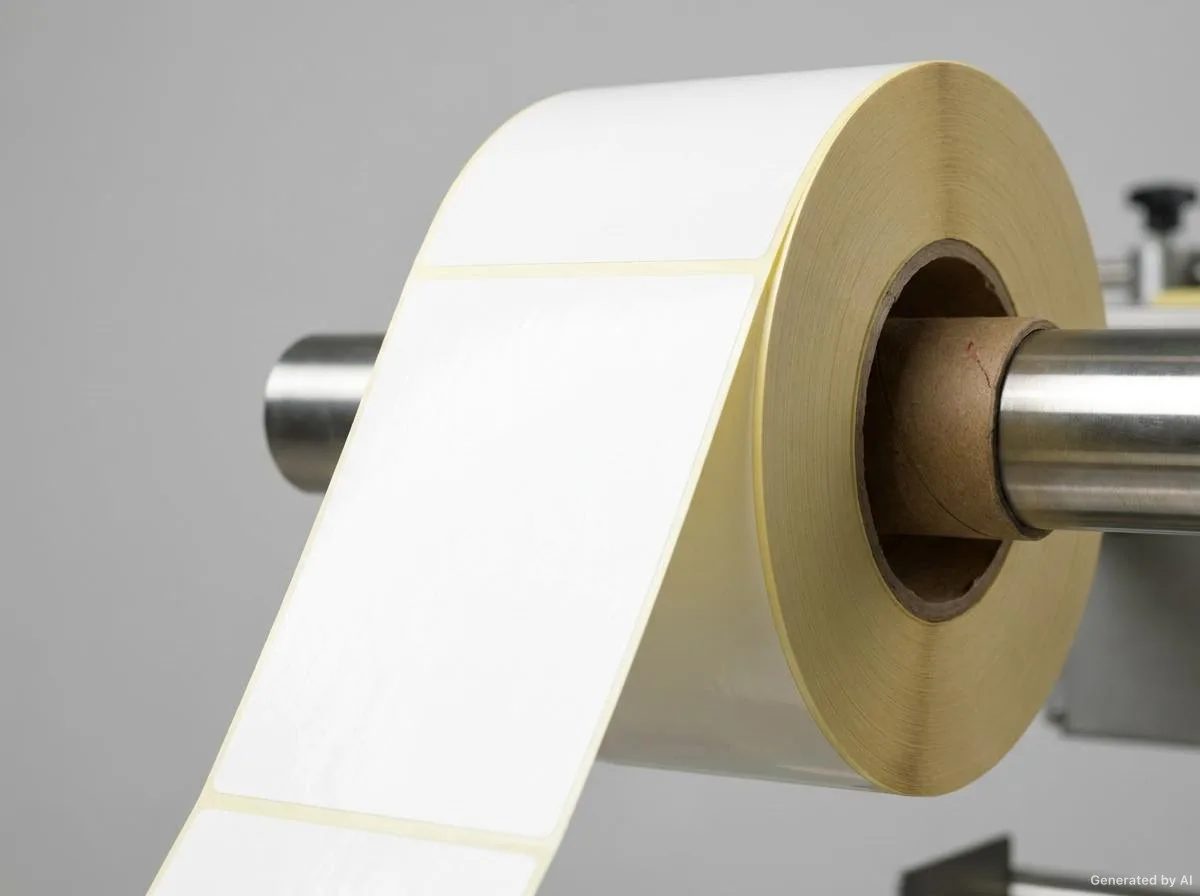
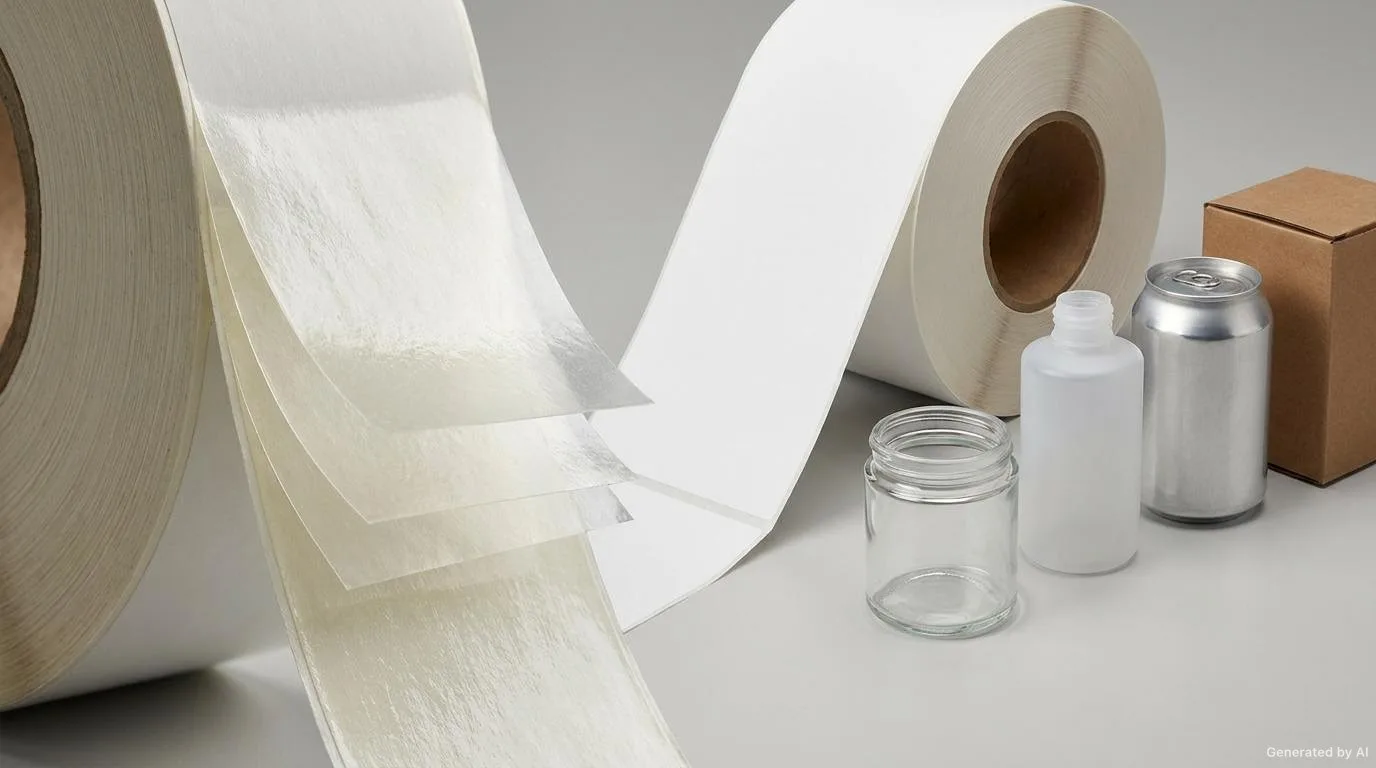
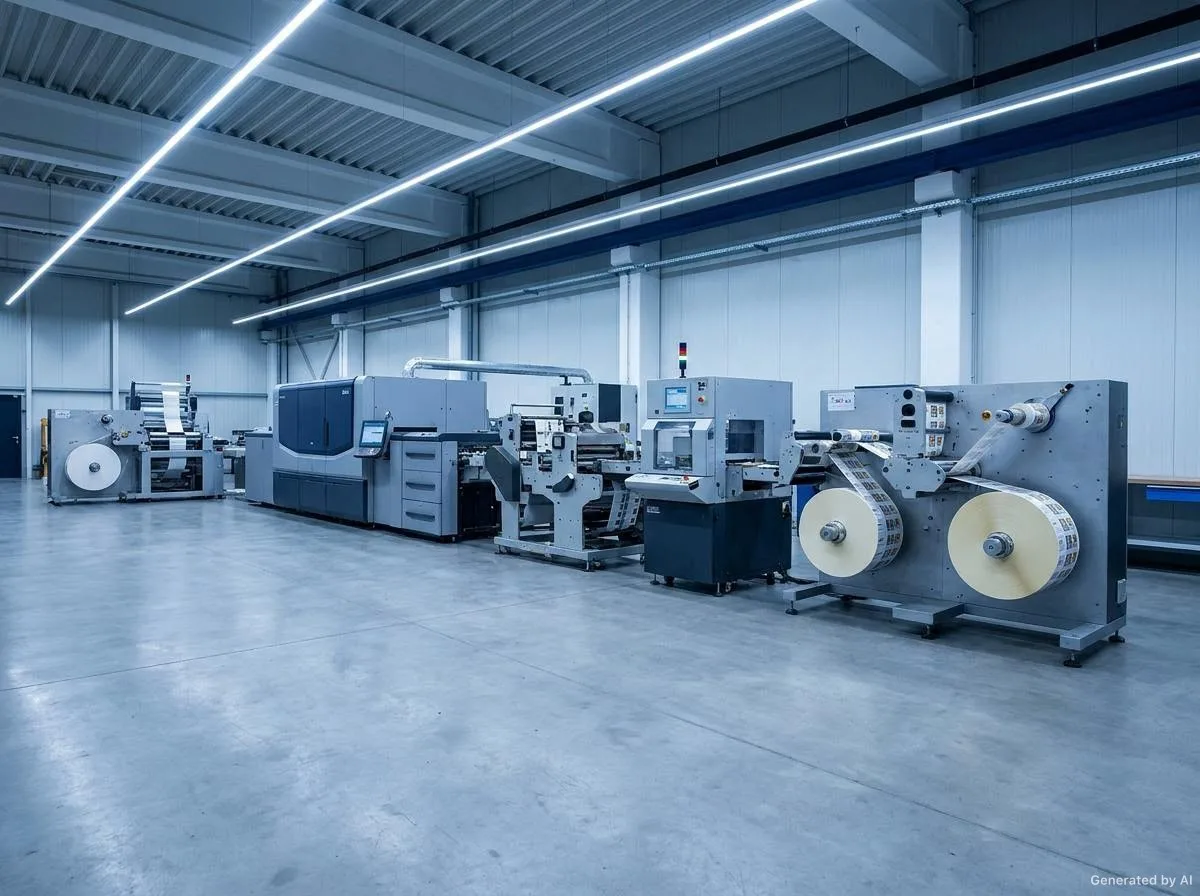
The images on this page are representative; they do not show a specific customer product or order.

AREAS OF USE

Areas of Use

Industrial labels are used in the demanding conditions of production and warehouse environments.

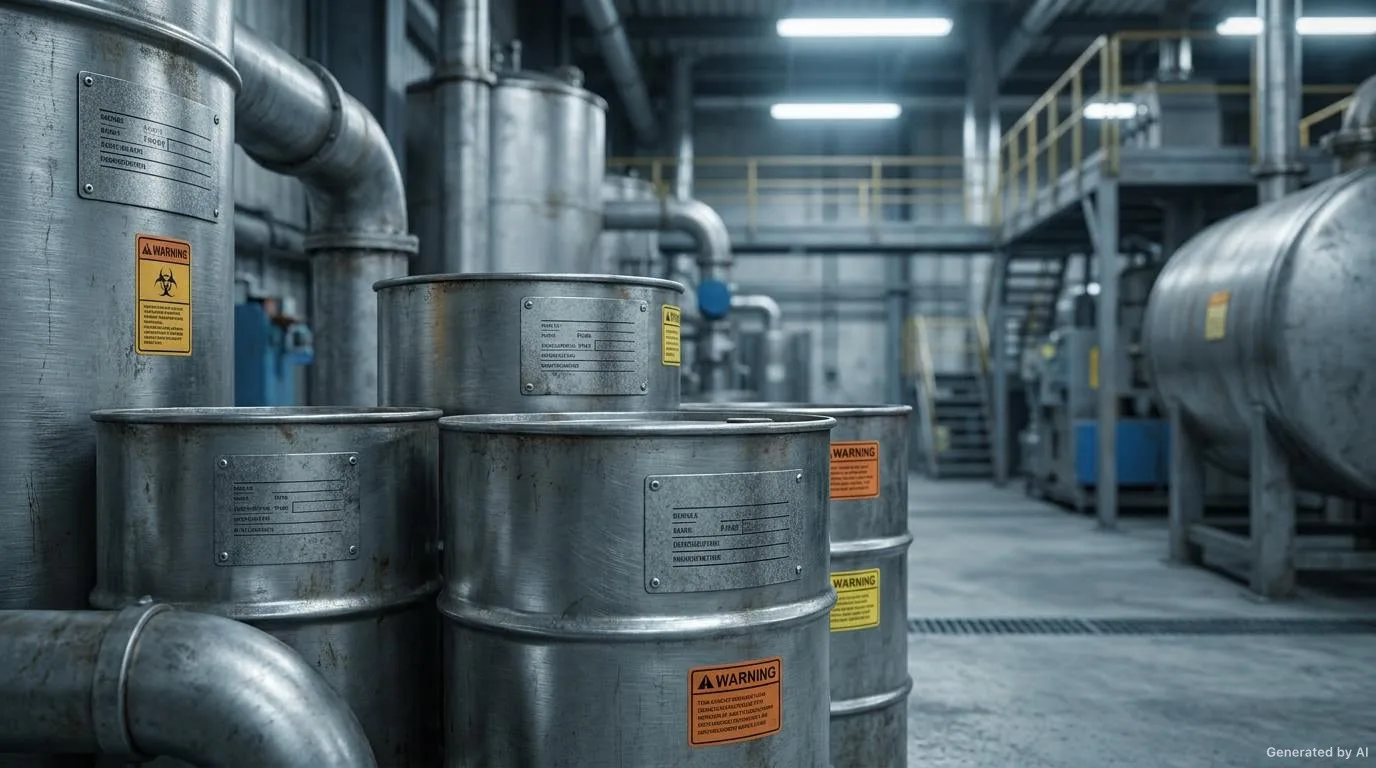
Machine, equipment and line identification
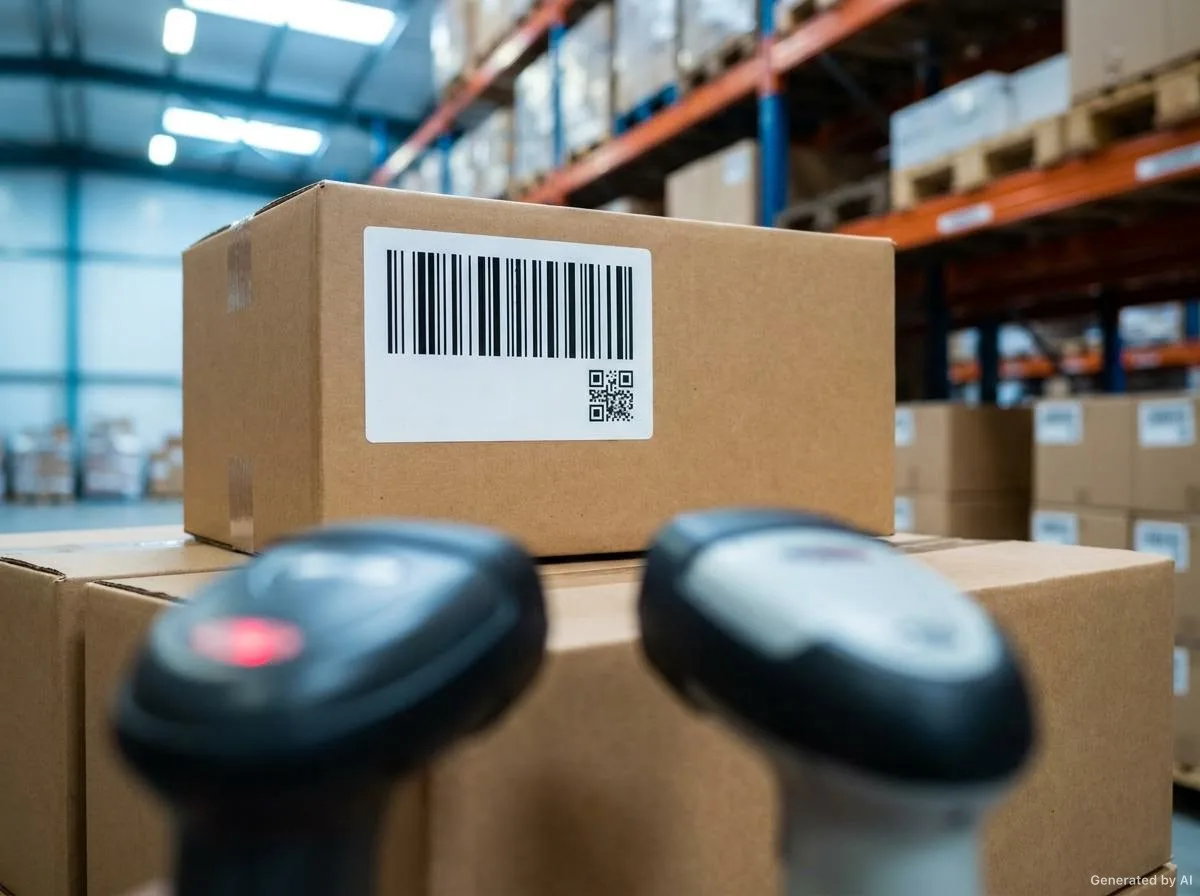
Warehouse shelf, pallet and stock labels
Wash and cold storage areas
Field labels used outdoors
Environments with chemical and solvent contact
Maintenance and inspection tracking labels
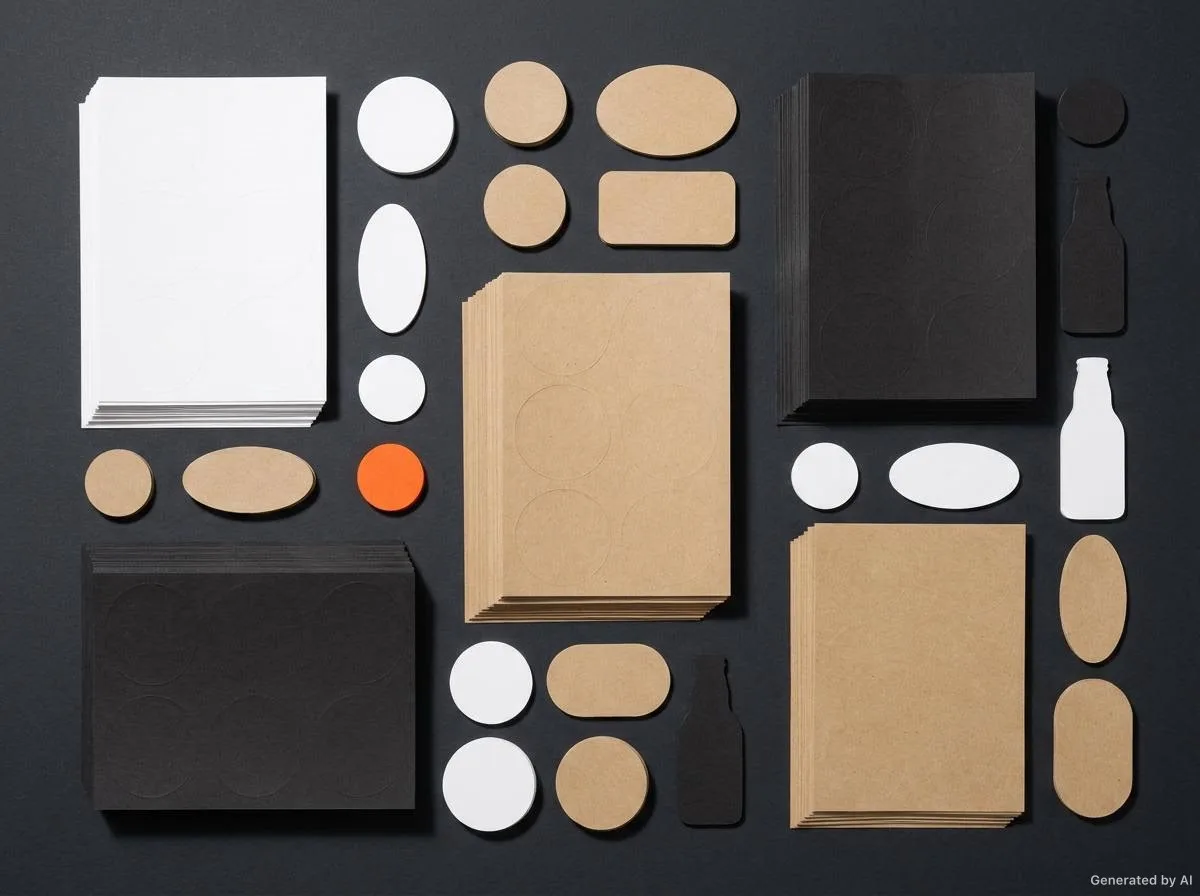
MATERIAL AND ADHESIVE

Considerations for Choosing the Right Material and Adhesive

The topics below form the basis for determining the right combination in this category. The final choice is clarified together, based on your product surface and usage conditions.

01

Temperature range

The application temperature of the label and its usage temperature must be stated separately; the two values require different behaviour.

02

Chemical and solvent contact

Cleaning chemicals, oil and solvents affect the resistance of both the material and the adhesive.

03

Abrasion and friction

On frequently contacted surfaces, a protective surface or more durable materials are evaluated.

04

Outdoor and sunlight

Fading and embrittlement can be expected on labels exposed to continuous light; the material is selected accordingly.

05

Surface compatibility

Adhesive testing is recommended on painted metal, stainless steel and rough plastic surfaces.

PRINTING AND APPLICATION

Printing and Application Conditions

Printing and application decisions take shape according to how the label will be used on the product.

  • Print durability

    In heavy-use areas, the print must be resistant to friction and moisture.

  • Protective surface

    Protective surface applications help shield the print against physical effects.

  • Fixed and variable information

    Fixed information such as equipment codes and variable information such as maintenance dates are planned together.

  • Cutting tolerance

    On small industrial labels, the cutting tolerance directly affects legibility.

  • Application test

    An application test carried out under real conditions gives the most reliable information about long-term durability.

BEFORE YOU ORDER

Information to Prepare Before Ordering

Sharing this information speeds up the quotation and technical evaluation process and reduces the need for changes during production.

It is fine if you do not have complete information; we can start with what you have and complete the rest together.

Request a Quote on WhatsApp
  • 01 The surface the label will be applied to and its material
  • 02 Application temperature and usage temperature range
  • 03 Chemicals, oils or cleaning agents that will come into contact
  • 04 Friction, impact or outdoor exposure
  • 05 Label size and the information it will carry
  • 06 Estimated quantity and frequency of replacement
FREQUENTLY ASKED QUESTIONS

Frequently Asked Questions

Industrial Labels

Product descriptions provide guidance, but a definitive result requires an application test under real conditions. The appropriate combination becomes clear when technical values and test results are evaluated together.

At high temperatures, some adhesives can soften and slide. If you share your application and usage temperatures, a combination suited to both conditions is evaluated.

Resistance to moisture, chemicals and friction is required together. Film-based materials and a protective surface generally give more consistent results; even so, an application test is recommended.

Dust forms an intermediate layer between the adhesive and the surface and reduces the contact area. Cleaning the surface and choosing a suitable adhesive reduce this effect.

It varies with the material, the print and the climate conditions. When materials resistant to sunlight and moisture are used together with a protective surface, the expected service life is extended; the exact duration can only be verified by a field test.

Request a quote for this category

Share the size, quantity, surface and usage conditions; we will carry out the technical evaluation and get back to you.

The images on this page are representative; they do not show a specific customer product or order.