Technical Questions to Ask When Choosing Label Material
The technical questions to ask when choosing label material, covering surface energy, application temperature, chemical contact, service life and sample testing.
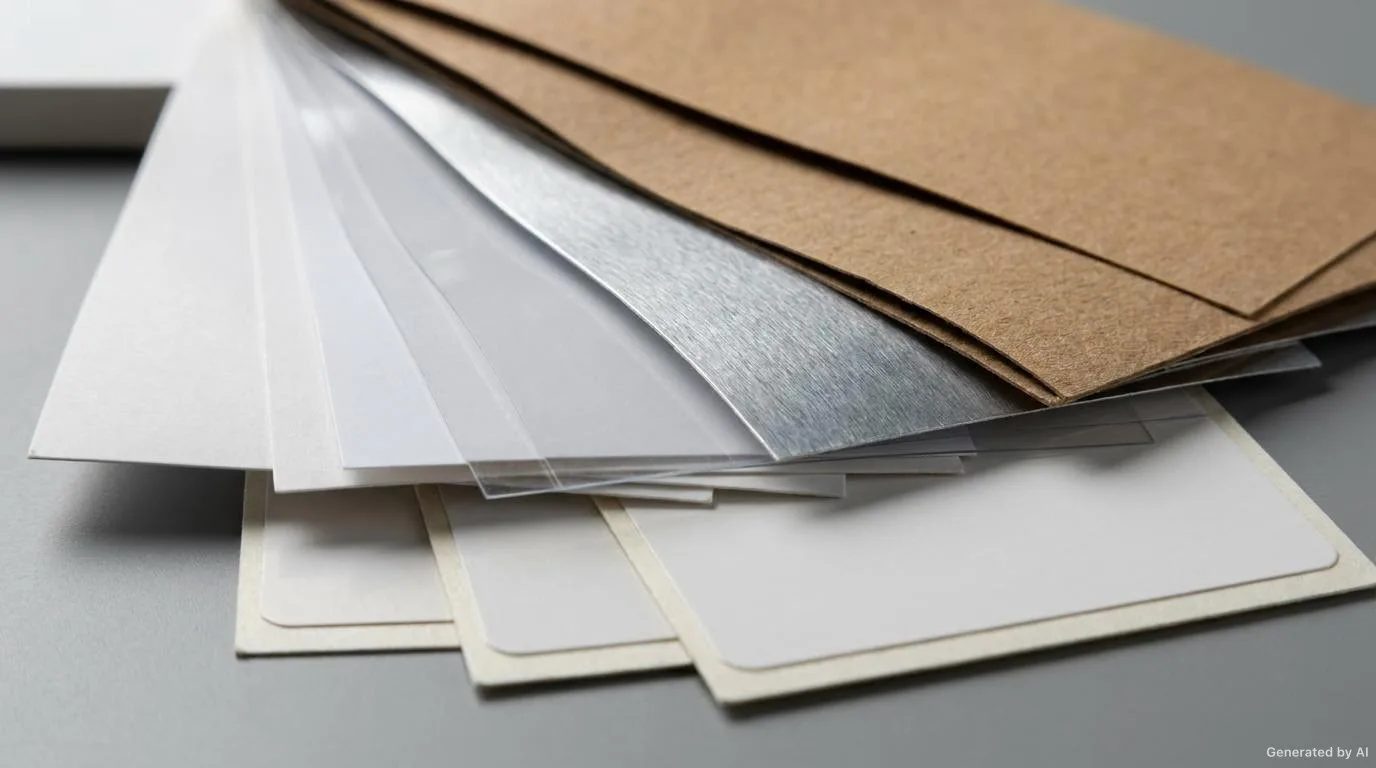
Choosing label material often looks like a quick decision made during the design stage; however, the shelflife of the product, the application conditions and the customer experience depend largely on that decision. The same label can stay in place for a long time with the right material and adhesive, yet with the wrong choice it may begin to lift or become unreadable after the first contacts.
This article gathers the technical questions that should be asked of the supplier and of your own production team when choosing label material. The aim is to move the decision away from guesswork and onto a measurable, testable basis.
Surface Type and Surface Energy
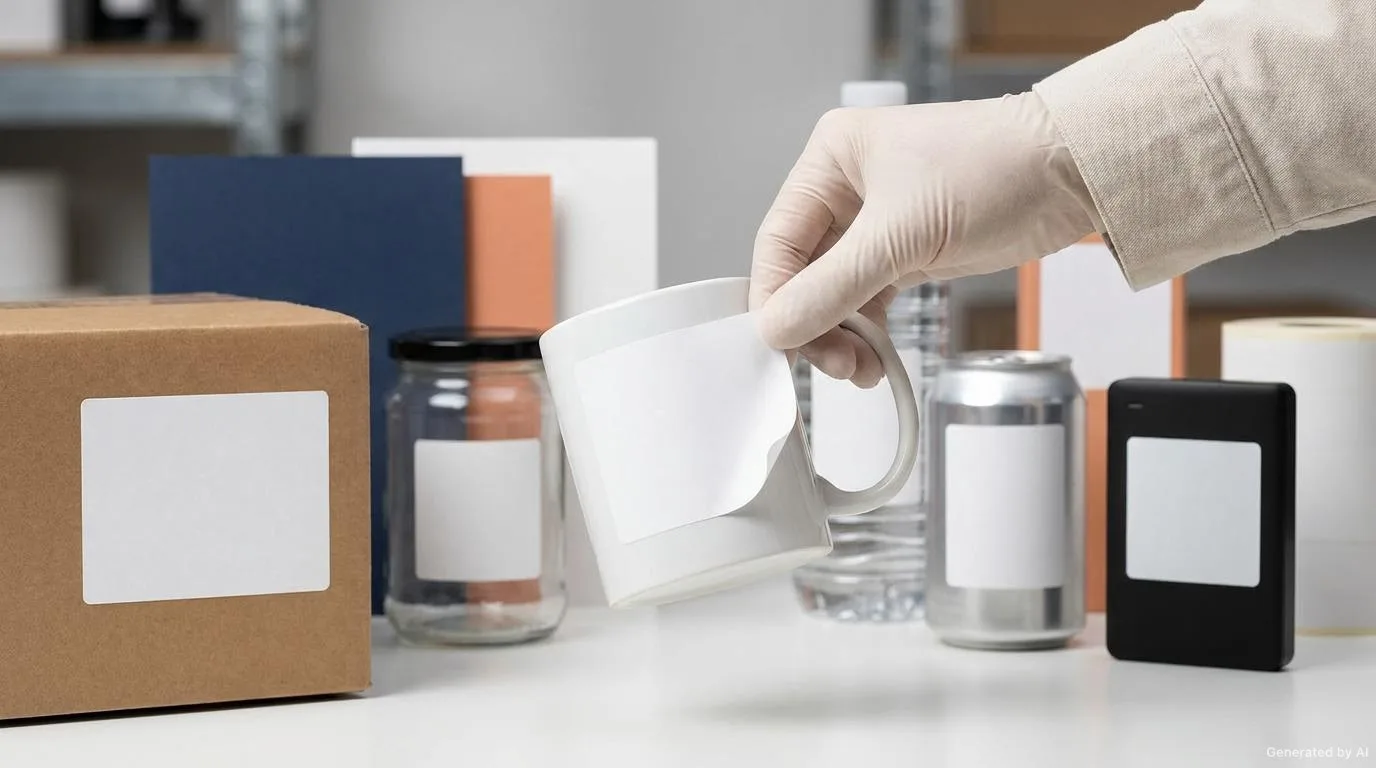
One of the most important factors determining the permanence of a label is the structure of the surface it will be applied to. Surfaces such as glass, metal, polyethylene, polypropylene, cardboard, lacquer and powder coating react very differently to adhesives. Ensuring adhesion on plastics with low surface energy in particular requires extra care.
Why surface energy matters
Surface energy determines how well a liquid or an adhesive will spread on the surface. On low-energy surfaces the adhesive cannot fully wet the surface and adhesion weakens. Specially formulated adhesives should be preferred for such surfaces. Clearly communicating the surface material and, if needed, any surface treatment to the supplier is the first step to receiving the right recommendation.
Surface cleanliness and roughness
Dust, oil, silicone residue and moisture reduce the performance of even the best adhesive. You must ensure the surface is clean and dry before application. In addition, thin adhesives cannot achieve full contact on very rough or textured surfaces; in that case thicker adhesive layers or flexible materials may be more suitable.
Describing the surface accurately
Before starting the material discussion, it helps to describe the surface with a single clear definition: glass, metal, different plastic types, cardboard, lacquer or a painted surface. If the same product family has more than one surface, each surface needs a separate assessment. The size and curvature of the surface and the tension created during labelling also influence the adhesive choice. Clarifying this information from the start helps avoid material changes and additional costs in later production stages, allowing the supplier to offer a more accurate recommendation.
Application Temperature and Ambient Conditions
The temperature at the moment of application directly affects the quality of adhesion. On cold surfaces the adhesive may stiffen and struggle to bond to the surface; at high temperatures it may soften too much. For this reason the application temperature range is one of the fundamental parameters of the choice.
Cold and hot application
Labels used in cold stores or on chilled products require adhesives that work at low temperatures. Likewise, if hot filling or a high ambient temperature is involved, a heat-resistant adhesive and surface combination should be evaluated.
Humidity and condensation
High humidity and condensation can form a thin film of water between the surface and the adhesive, weakening adhesion. This factor should always be raised, especially in cold chain applications, and where necessary an adhesive suited to damp conditions should be selected.
Moisture, Oil and Chemical Contact
Which substances the label will come into contact with during the life of the product is a critical question that shapes the material choice. Water, oil, alcohol, solvents and cleaning chemicals affect different materials differently. If the label has no surface protection, such contacts can lead to smudging or deterioration within a short time.
Chemical resistance
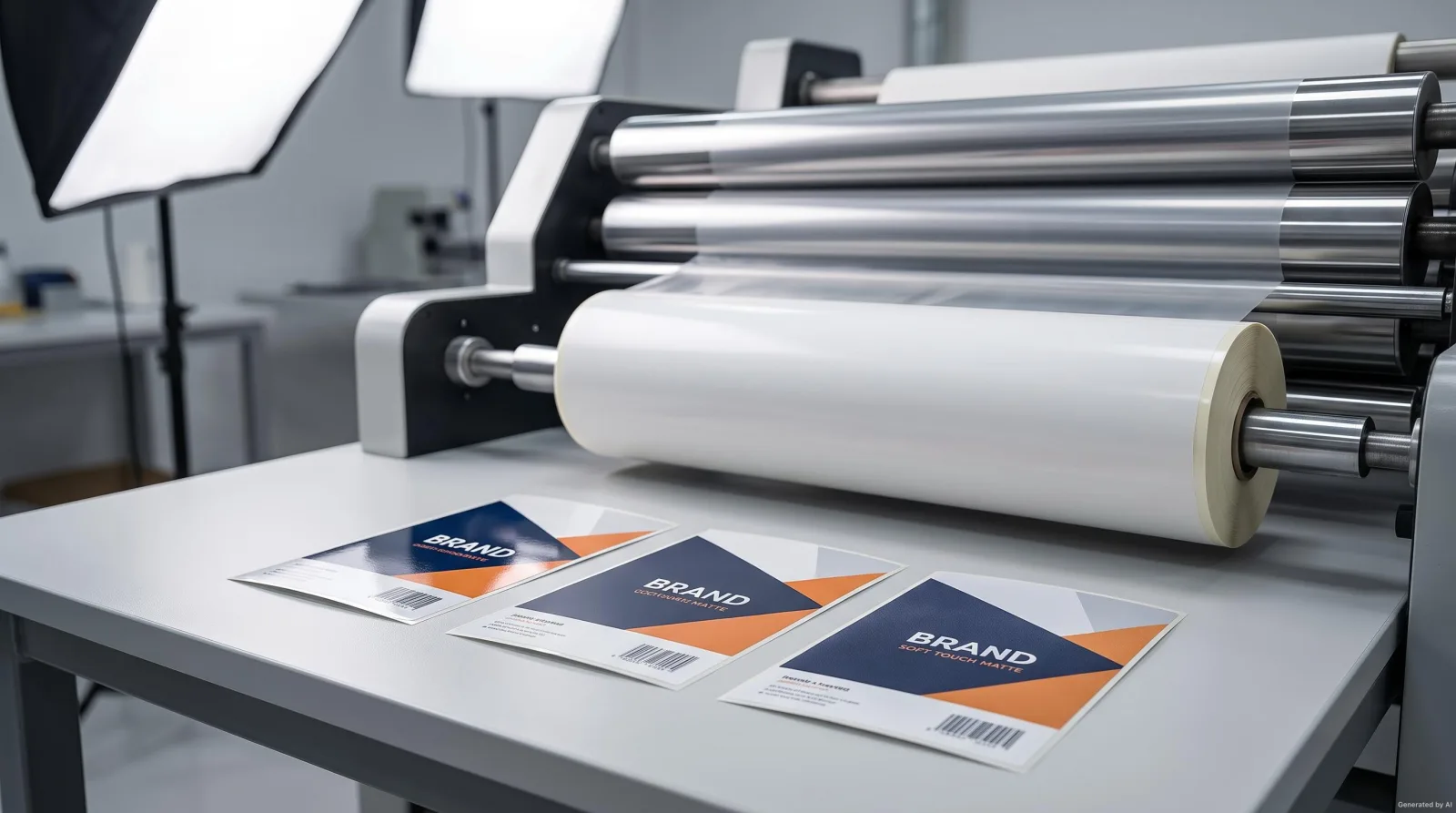
On products that come into contact with cosmetics, pharmaceuticals, industrial oils and detergents, the chemical resistance of the face material and, where present, the top protective layer should be assessed in advance. It is not only printability but also the preservation of legibility that must be ensured.
Expected Service Life and Durability
How long the label needs to stay in place is one of the fundamental questions of material selection. Short-lived promotional labels and labels that will remain outdoors for a long time do not share the same requirements. Clarifying the expected life also helps avoid unnecessary cost.
UV, temperature and friction
Sunlight, temperature changes and friction affect the colour and shape durability of a label over time. For labels used outdoors, UV resistance and resistance to fading come to the fore. For products with these conditions, the durability expectation should be shared from the start.
Manual or Machine Application
How the label will be applied affects the choice of material and adhesive. In manual application flexibility and repositionability matter, while in automatic applicators the wrap direction, label stiffness and release behaviour come to the fore.
Requirements for automatic application
On high-speed application lines the label must release flawlessly, not curl and be positioned correctly. In such lines the material stiffness, liner quality and roll winding parameters should be evaluated together. The applicator details should be shared with the supplier.
Minimum Application Temperature
Every adhesive system has a temperature range within which it can work. If applied below that range, the initial bond may remain weak and the label may lift later. The minimum application temperature should be chosen to suit the lowest temperature of your production environment.
Service temperature after application
Application temperature and the temperature to which the label will be exposed over the long term are different values. Once the label is applied, the temperature range it must withstand should also be stated separately. Frozen products and hot cabinets are good examples of this.
Storage Conditions and Shelf Life
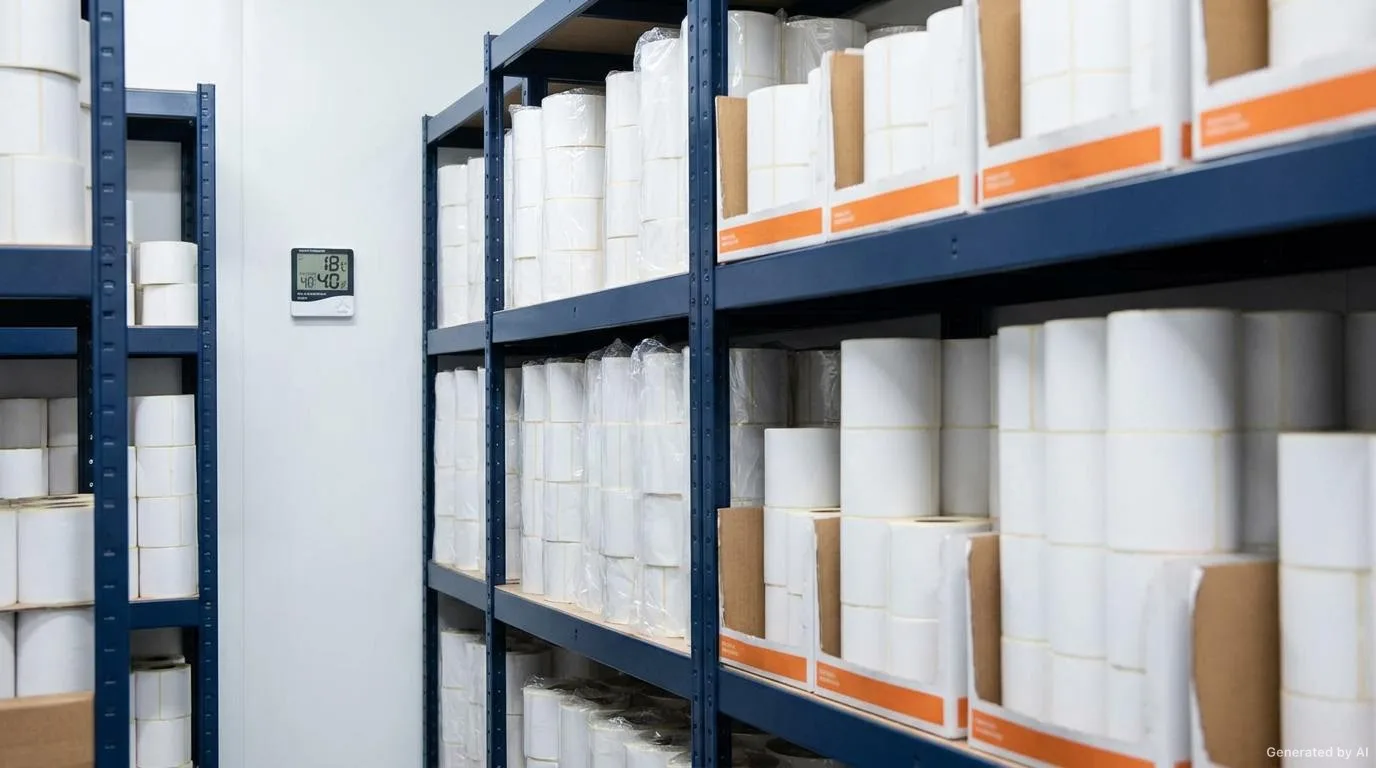
Label rolls must be stored under the right conditions until they are used. Excessive temperature, humidity and direct sunlight can adversely affect the adhesive and the liner. Improper storage can cause problems at the moment of application.
Correct storage practices
Rolls are best stored in a cool, dry environment, kept balanced, and with their packaging intact. Using the rolls within the recommended period from production also helps preserve adhesive performance.
Sample Testing Steps
Although theoretical information matters, the final decision should be made through sample testing. Sample testing is the most reliable way to see adhesion behaviour on the real surface under real conditions.
- Obtain a representative sample of the surface to be used.
- Apply the sample at the real application temperature and with the real method.
- Test the short-term and long-term contact conditions separately.
- Assess the surface and the edges after moisture, oil and chemical contact.
- Record the results and base the series production approval on this data.
Material and Adhesive Comparison
The table below summarises which aspects come to the fore for common surface and requirement types. The final choice should always be verified by sample testing.
| Requirement | Key Aspect | Points to Watch |
|---|---|---|
| Low surface energy plastic | Specially formulated adhesive | Surface treatment and cleanliness should be checked |
| Cold and damp environment | System working at low temperature | Condensation and icing should be assessed |
| Oil and chemical contact | Chemical-resistant face and protection | Preservation of legibility should be tested |
| Outdoor use | UV and fade resistance | Colour and shape durability should be monitored |
| High-speed application | Balanced stiffness and good release | Winding and liner parameters should be shared |
Checklist of Technical Questions for the Supplier
Having the following questions ready for your next material discussion both speeds up the process and reduces the risk of a wrong choice.
- What is the material and surface treatment of the surface the label will be applied to?
- What is the application temperature and the long-term service temperature range?
- Will the surface be damp, oily or exposed to chemical contact?
- How long is the label expected to stay in place?
- Will application be by hand or with an automatic applicator?
- What is the minimum application temperature, and is the environment above that value?
- Under what conditions will the rolls be stored, and within what period will they be used?
- Can a real surface sample be provided for sample testing?
Conclusion
Choosing label material should be done not by looking at a single property but by evaluating surface, temperature, chemical contact, expected life and application method together. Clarifying these questions from the start reduces problems both in production and in use. You can find material approaches for harsh conditions in this article and adhesive compatibility in more detail in this guide.
We would like to assess the right material and adhesive combination for your product together with you. Share your application conditions and reach us through our our label solutions page.
Frequently Asked Questions
Why is surface energy important when choosing a label?
Surface energy determines how well the adhesive wets the surface. On low-energy plastics full wetting becomes difficult and adhesion weakens, so specially formulated adhesives are needed.
Are application temperature and service temperature the same?
No. Application temperature is the temperature at the moment the label is applied, while service temperature is the range the label may be exposed to over the long term after application. Both should be stated separately.
Why should sample testing be considered mandatory?
Sample testing is the most reliable way to observe adhesion behaviour on the real surface under real conditions. Theoretical suitability does not always guarantee the result in the field.
How should label rolls be stored?
Rolls should be stored in a cool, dry place away from direct sunlight, kept balanced, and used within the recommended period.
Want to Determine the Right Label for Your Product?
Share your usage area and needs with us; let's evaluate suitable options together.