Where Are Transparent Labels Used?
We examine what transparent labels are, which products and sectors prefer them, the “no-label look” aesthetic, their advantages and disadvantages, and application challenges, by product group.
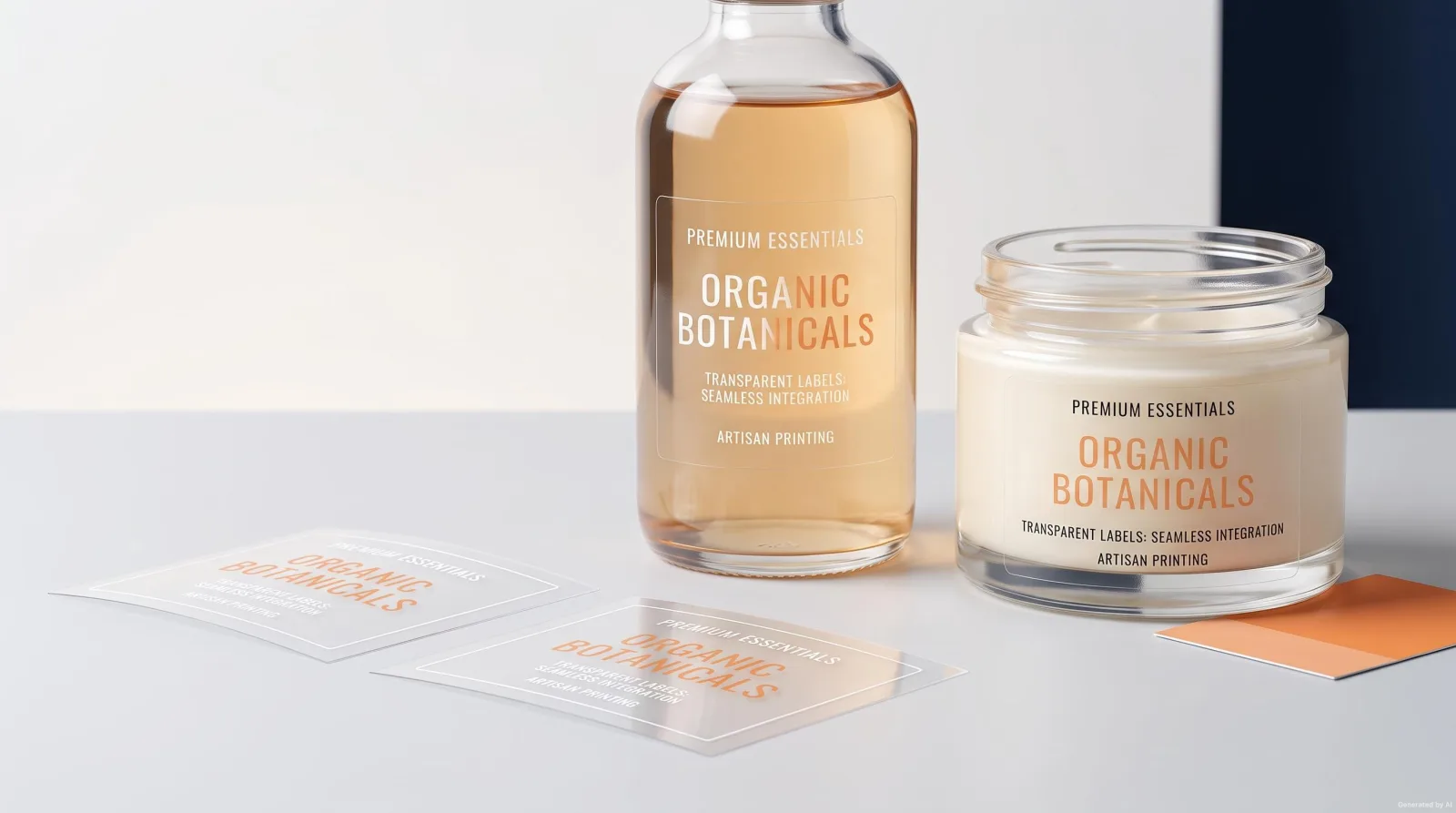
Transparent labels reveal the product and the packaging surface behind them instead of covering it, because the printing is applied to a clear film. A transparent label blends with the surface and highlights the product's own colour and texture. In this article we look at where and in which sectors transparent labels are preferred, which materials they use, their advantages and disadvantages, and the challenges encountered during application, organised by product group.
Short answer: transparent labels are most often used on glass bottle beverages, cosmetics and perfume, food jars, detergent and chemical products, and premium packaging. On dark, matte or heavily textured surfaces, and on information-dense labels where readability is critical, opaque alternatives may be safer. The right choice varies with the product type and target market.
What is a transparent label?
A transparent label is a type of self-adhesive label whose face film and carrier are clear. The print is applied onto this clear film, and both the adhesive and the surface are chosen as transparent as possible. As a result, the label does not look “stuck on” the packaging; it looks like part of the product.
The effect of transparent labels depends heavily on the material and printing setup. On a fully clear film with no white ink, text and graphics remain only in darker colours, producing a subtle look. When a white base layer is added, the text becomes crisp and colours become vivid, but at that point the label is no longer fully transparent. The design decision is therefore directly linked to the intended look.
Transparent PP and PET film surfaces
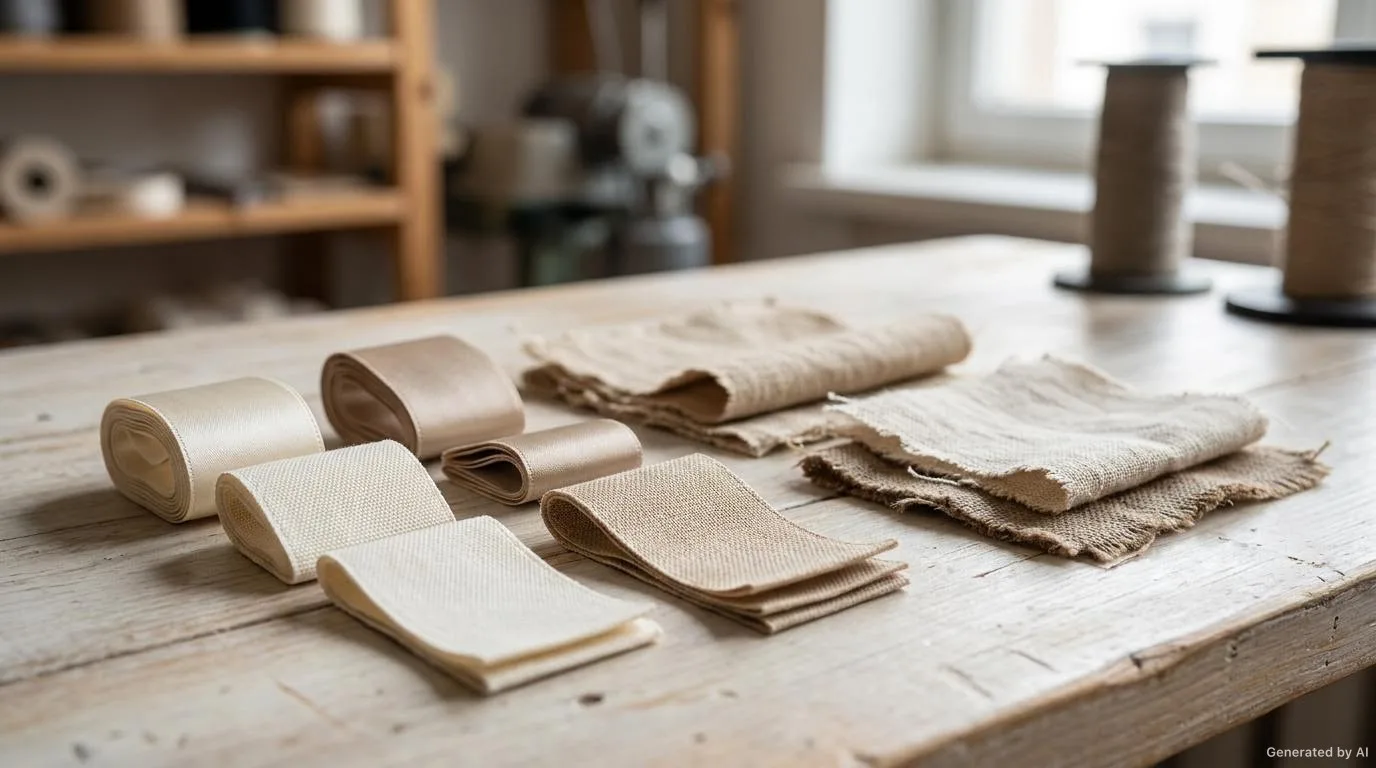
The two most common film families in transparent labels are based on polypropylene (PP) and polyethylene terephthalate (PET). PP films are generally economical and flexible, while PET films offer higher clarity, stiffness and chemical resistance. Both are suitable for printing; the choice depends on the conditions the product will face and the desired look.
For a detailed comparison of these materials, our article on coated paper and film label comparison can be a useful guide.
Clear-on-clear and white underprint (no-label look)
In the setup the industry calls “clear-on-clear”, both the face film and the adhesive are chosen clear. When the label is applied to a transparent surface such as glass, only the print is visible and the film itself is unnoticed. This look is called the “no-label look” and is frequently preferred on premium products.
To increase readability, a white layer (white underprint) can be added beneath the film. A white underprint makes colours vivid and highlights text on a dark surface. However, where white underprint is used, the label no longer looks fully transparent, so the white areas should be planned as part of the design.
Advantages of transparent labels
The most obvious advantage of transparent labels is aesthetic. The label “sits” on the product without cutting off its colour, contents or packaging design. Especially with coloured liquids, natural textures and distinctive bottle shapes, this look makes the product appear cleaner and more premium.
The second advantage is the visual integrity of the packaging. An opaque label covers a part of the packaging completely. A transparent label preserves the packaging's own design, so the product reads as a single visual language on the shelf. This is especially valuable on small packages with limited space.
The third advantage is flexibility. The same transparent label can be used on products with different colours and contents, because the label's background is the product itself. This can simplify stock and print management for brands with a wide product range. Aligning the label with the product's appearance also strengthens brand perception; we cover this in our article on the role of the label in brand perception in packaging design.
Disadvantages and limitations
A transparent label is not suitable for every product. Applied to a dark, matte or heavily textured surface, the transparency is lost and any irregularity beneath the label can become noticeable. In that case, text readability drops and a white underprint becomes necessary.
Transparent labels reveal small surface defects, dirt and fingerprints more. Where an opaque label hides these, a clear film can magnify them. A clean application environment and the right adhesive therefore matter even more.
Finally, because dark prints are applied directly onto the surface in transparent labels, some colours may be perceived differently than on opaque-backed labels. Designing with this effect in mind helps the printed result match expectations.
Where and in which sectors are they preferred?
The use of transparent labels is largely tied to the clarity of the surface and the product's visual goal. Below we summarise the most common application groups.
Glass bottle beverages and liquid products
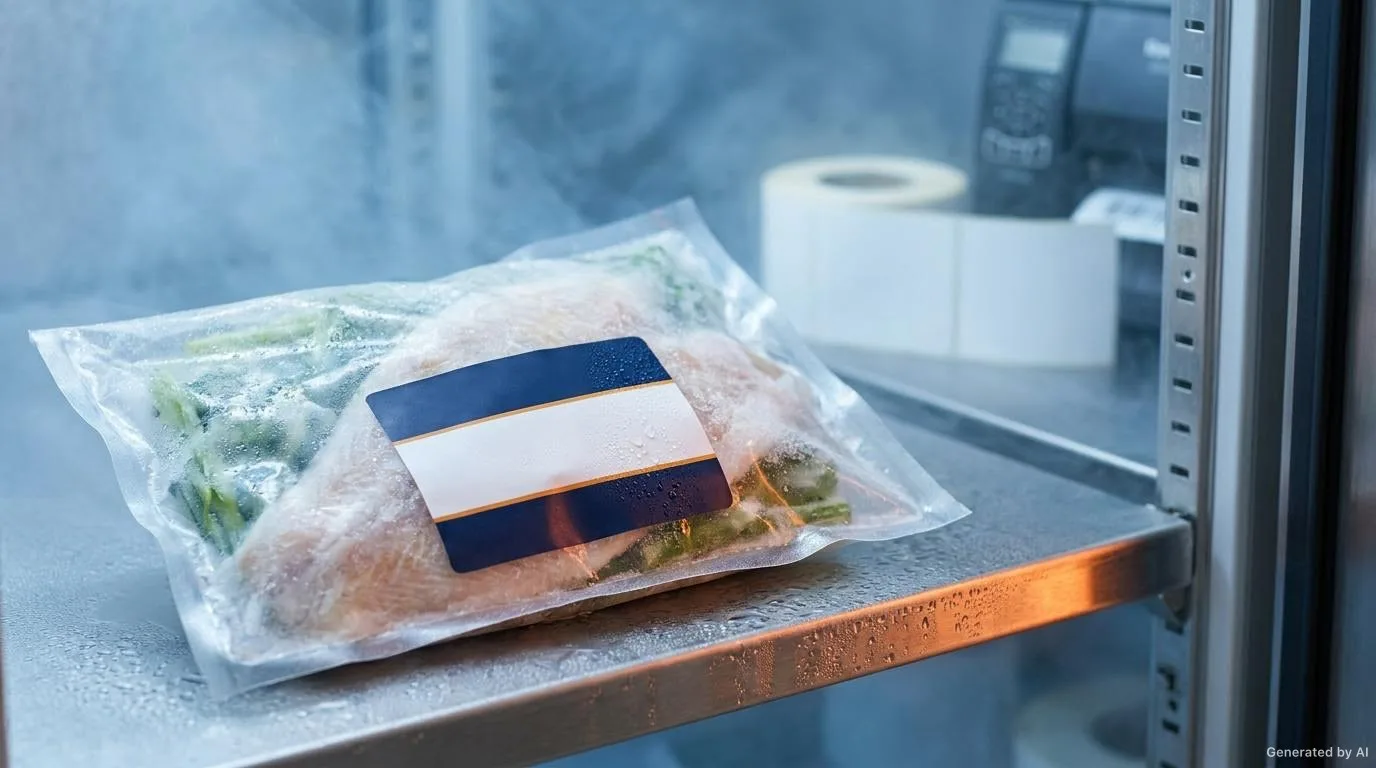
Glass bottle beverages are the most classic use of transparent labels. When the clarity of the glass meets the clarity of the label, only the brand and information are visible; the label does not interrupt the appearance of the container. On juices, lemonades and similar naturally coloured drinks, this effect highlights the product's colour. If application is on wet and cold surfaces, a water-resistant adhesive and film should be chosen.
Cosmetics and perfume
Aesthetics come first in cosmetic and perfume packaging. Transparent labels, especially on clear bottles and gel/cream-textured products, preserve the packaging's own design and provide a premium look. Because shelf perception is critical here, our article on cosmetic label design and premium brand perception will be helpful.
Food jars and cold products
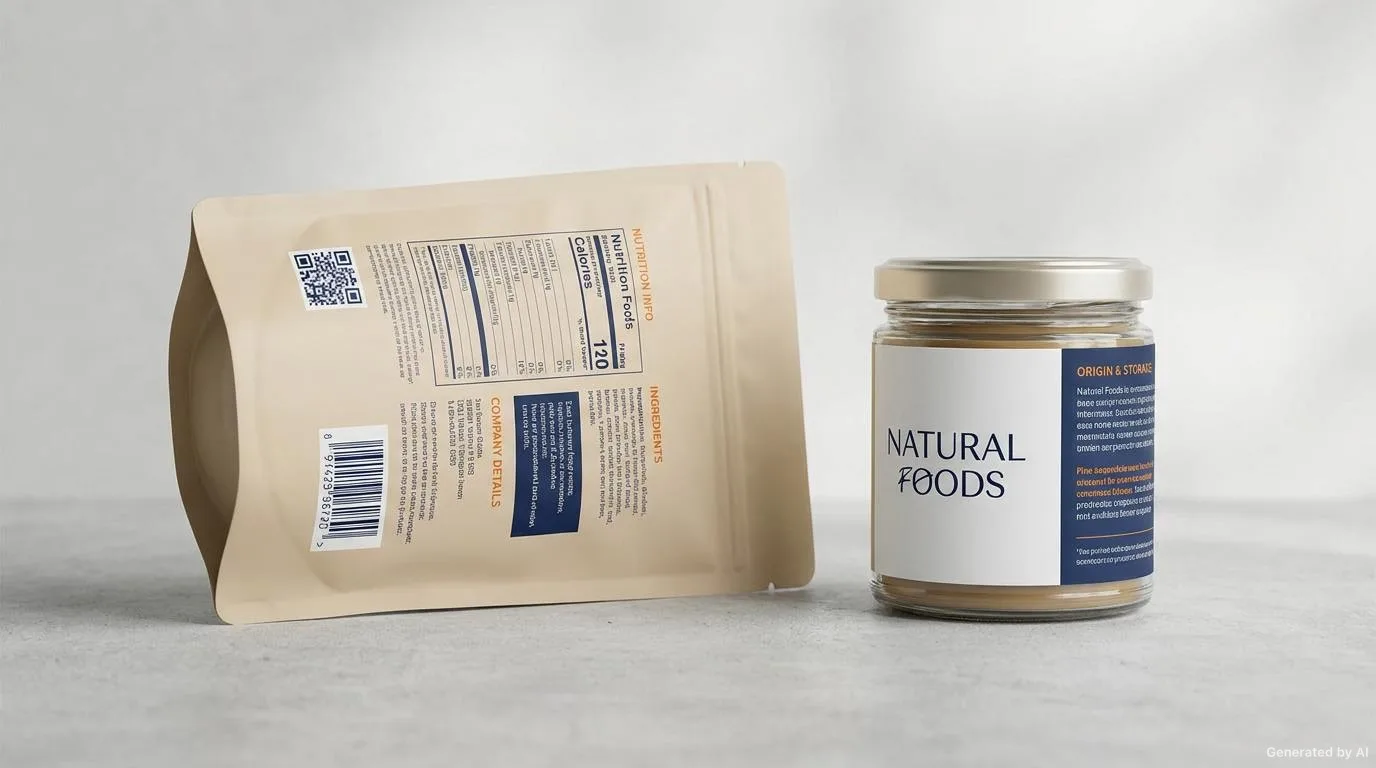
On glass jars of jam, honey, sauce and similar products, a transparent label preserves the natural look of the contents. In food, the information the label must carry can be dense; readable typography on the clear surface and white underprint where needed should therefore be planned. For a broader framework on applications, see our article on label selection for food products. Because adhesion behaviour on cold or damp surfaces can vary by material, testing with a sample is recommended.
Detergent, chemical and premium packaging
In detergent and chemical products, the transparent label type is chosen according to the packaging and the conditions it faces. Here transparency is often not a purely visual preference but a way to preserve the packaging's design integrity. In chemical products, surface and content compatibility and durability come to the fore, so application conditions should be carefully assessed when choosing material and adhesive. In premium packaging, a transparent label simplifies the product and creates a high-end perception. In logistics processes, however, barcode readability comes to the fore, so it is worth remembering that transparent is not always the right choice.
Suitability table by product group
The table below summarises the general suitability of transparent labels for common product groups. The assessment applies to typical conditions; results may vary in specific applications.
| Product / sector | Transparent label suitability | Point to note |
|---|---|---|
| Glass bottle beverage | High | Suitable adhesive for cold/wet surface |
| Cosmetics / perfume | High | Clarity and fine typography |
| Food jar | Medium-high | Readability and white underprint |
| Detergent / chemical | Medium | Chemical and surface compatibility |
| Premium packaging | High | Brand perception and texture |
| Logistics / barcode | Low-medium | Readability and contrast |
| Dark / matte plastic | Low-medium | Need for white underprint |
Application challenges and solutions
Transparent labels look flawless under the right conditions, but a few points require care during application. These challenges can usually be managed through material and process choices.
Air bubbles and blistering: A clear film reveals trapped air pockets more. Keeping the surface clean, dry and smooth and applying the label in a controlled way reduces this effect.
Visibility of dirt and fingerprints: A transparent surface shows dust, stains and fingerprints more than an opaque one. A clean application environment and regular care of the products during use matter.
Cold, wet and oily surfaces: The adhesion behaviour of adhesives can change on wet or oily surfaces. A suitable adhesive should be chosen for these conditions and, where possible, surface conditions should be tested before application.
Dark and textured surfaces: Transparency can reduce readability on a dark surface. In that case, white underprint or an opaque label may be the better choice.
On which surfaces does it work well?
The visual and technical result of transparent labels depends directly on the surface to which they are applied. In general, the surfaces where they work well include:
- Glass surfaces, for clarity and smoothness
- Clean, even and glossy plastic packaging
- Containers with a single-colour and light-tone surface
- Premium packaging with a simple surface design
- Even and smooth metallic surfaces (should be assessed per surface)
On matte, porous, very dark or irregularly textured surfaces, however, a transparent label may not deliver the expected effect; in that case, white underprint or opaque material should be considered.
Checklist
- Is the product's packaging surface clear and smooth?
- Is the product dark; is a white underprint needed?
- Will the label be applied to a cold, wet or oily surface?
- Is the film used (PP/PET) suitable for the product's conditions?
- Is the adhesive compatible with the surface and use conditions?
- Are typography and contrast readable on the clear background?
- Does the label keep its durability in shelf and logistics conditions?
- Was surface and adhesive testing done with a sample?
Realistic scenario: a boutique beverage brand
A small-scale boutique lemonade brand sells its product in clear glass bottles. The brand does not want the label on the bottle to hide the product's natural colour. In the first assessment, a transparent PP film and clear adhesive are chosen; however, because the bottle surface can get wet in refrigerated cabinets, the adhesive's behaviour in a damp environment is tested. In the sample work carried out, the visual result of the clear label applied directly to glass meets expectations; on the other hand, thin and low-contrast text is hard to read in the refrigerated cabinet.
Without changing the skeleton, the brand simplifies the typography and rearranges the key information with slightly higher contrast. This preserves the transparent look while improving readability. The example shows that in transparent labels, design must be set up not only aesthetically but according to use conditions. For a similar product, sharing your packaging and conditions and proceeding via a sample is the healthiest path.
Conclusion and recommendations
Transparent labels are a common and effective solution for glass bottle beverages, cosmetics and perfume, food jars, detergent and chemical packaging, and premium products. The no-label look aesthetic simplifies the product and highlights the packaging's own design. However, if this look is not supported by the right material and adhesive, it can lead to air bubbles, dirt visibility and readability problems.
In summary, whether a transparent label is suitable becomes clear with three questions: Is the surface clear? Are the use conditions demanding? Is text readability critical? On glass and clear surfaces, for visually focused products, a transparent label is a strong choice. On dark, matte or information-dense applications, white underprint or opaque material may be more appropriate. To review our label solutions, you can visit our products page.
If you want to clarify whether a transparent label suits your product and determine the material that fits your surface and use conditions, share your needs and ask us for a technical assessment and sample support. Request a quote and let our team plan the most suitable solution for your product together with you.
Frequently Asked Questions
Where are transparent labels used?
They are widely used on clear, visually focused packaging such as glass bottle beverages, cosmetics and perfume, food jars, detergent and chemical packaging, and premium products.
What is the main difference between transparent and opaque labels?
A transparent label shows the surface and product behind it, while an opaque label covers the surface completely. Transparent labels give a “no-label look”, whereas opaque labels offer higher contrast and readability.
What does clear-on-clear mean?
It is a setup in which both the face film and the adhesive are chosen clear. On a transparent surface such as glass, only the print is visible and the film goes unnoticed.
When is white underprint needed?
It is needed for text and colours to remain readable on dark, coloured or textured surfaces. Because white underprint reduces full transparency, it should be planned as part of the design.
How can air bubbles on transparent labels be prevented?
Keeping the surface clean, dry and smooth, applying the label in a controlled way and choosing an adhesive suited to the surface reduce the risk of bubbles.
Want to Determine the Right Label for Your Product?
Share your usage area and needs with us; let's evaluate suitable options together.